Taking care of trademark conflicts can be a difficult possibility for businesses of all sizes. What Is the Secret to Efficiently Taking Care Of Trademark Disputes? Discover Expert Methods Now! . The key to browsing these treacherous waters lies in a deep understanding of the legal framework governing hallmarks and the application of expert techniques that can assist secure a company's brand name and copyright.
The legal framework for hallmarks is created to stop consumer complication by guaranteeing that trademarks, which can consist of names, logo designs, and various other advertising tools, are used solely by their rightful owners. Trademarks are protected by nationwide laws and global contracts, such as the Madrid Method, which assist in the enrollment and security of hallmarks across several jurisdictions.
The first step in effectively dealing with trademark conflicts is to make sure that a trademark is properly signed up. A registered trademark gives the owner exclusive civil liberties to use the mark in connection with the goods or solutions detailed in the enrollment. This registration works as both a sword and a guard: it empowers the proprietor to take lawsuit against infringers and all at once defends against claims of violation.
In case of a dispute, it's crucial to examine the stamina and extent of your trademark civil liberties. This includes analyzing the resemblance of the marks concerned, the relatedness of the products or solutions, and the likelihood of consumer complication. A specialist strategy might consist of conducting a comprehensive examination right into the claimed infringer's use the mark and gathering evidence of any type of confusion triggered in the marketplace.
Negotiation is often the liked strategy for fixing trademark disputes. This method can be cost-efficient and less lengthy than litigation. It entails connecting to the various other party to review the problem and seek a resolution that satisfies both parties' rate of interests. A well-crafted cease and desist letter, for example, can often suffice to deal with the matter without further lawsuit.
If negotiation falls short, alternate disagreement resolution methods like mediation or adjudication can be useful devices. These methods involve a neutral third-party facilitator who assists the contesting celebrations reach a volunteer agreement. They are particularly useful when the parties want to preserve a business connection or when discretion is a problem.
Litigation needs to be taken into consideration a last hope as a result of its potential to be pricey and time-consuming. However, in cases where the infringement is clear and causing considerable injury to the brand, it may be required to submit a claim to obtain injunctive relief, damages, and perhaps the recuperation of attorney's fees.
To reduce the threat of future disagreements, companies need to execute monitoring programs to identify prospective infringements early and take timely action. They need to also maintain comprehensive records of their trademark use,
In the complex dancing of trademark conflicts, the strategic use of stop and desist letters before litigation is a nuanced however powerful maneuver. It's an initial step, a program of pressure in the grander system of intellectual property enforcement, indicating the trademark owner's resolve to shield their brand name while offering a potentially less expensive resolution than court proceedings.
The key to properly handling trademark conflicts depends on the fragile balance in between assertiveness and diplomacy. A skillfully crafted stop and desist letter should work as a company yet respectful notice of the trademark infringement, offering clear proof of the trademark proprietor's rights and the supposed infringer's potential infractions. It needs to outline the legal grounds upon which the trademark owner stands, preferably invoking the Lanham Act or relevant regional trademark legislations, to underscore the seriousness of the issue.
Timing is likewise vital. Acting promptly upon finding a possible infringement can be helpful, as it may protect against the establishment of established company techniques by the infringer that can make complex future process. Nonetheless, it is similarly crucial to guarantee detailed prep work prior to issuing the letter, as early or unproven insurance claims can deteriorate a trademark proprietor's placement or perhaps welcome counterclaims.
The tone of the letter have to be carefully handled. Excessively aggressive language can rise the circumstance unnecessarily, possibly causing a contentious legal fight where none is needed. On the various other hand, a letter that is also timid may not be taken seriously and could embolden the infringer. The objective is to urge conformity and arrangement, unlocking for a resolution that could involve licensing agreements, coexistence arrangements, or other forms of settlement that allow both celebrations to proceed their organization with modified methods.
One more tactical layer is the factor to consider of the recipient's perspective. Comprehending the infringer's most likely response can educate the web content and tone of the stop and desist letter. For instance, a small business unknowingly infringing on a trademark may respond positively to an academic strategy that offers them an opportunity to remedy the scenario without punishing steps. Alternatively, a skilled entity engaging in willful violation could only react to a much more assertive strategy, indicating preparedness for litigation if essential.
Moreover, the cease and desist letter must provide a clear yet reasonable deadline for reaction. This not just emphasizes the necessity of the issue however likewise provides a timeline for the trademark proprietor to intend their next steps should the letter go unnoticed.
In some cases, a cease and desist letter can likewise function as a strategic tool for determining the infringer's
The Importance of Settlement and Negotiation in Handling Disputes: Expert Approaches for Trademark Disputes
In the elaborate dance of commerce and copyright, trademark disagreements are a typical, yet possibly turbulent, reality. Brands are the significance of a firm's identification and hold substantial value, making the defense of hallmarks an important issue. Yet, not every trademark dispute needs to end in a courtroom fight. As a matter of fact, the secret to successfully taking care of trademark disputes lies in acknowledging the importance of negotiation and negotiation as a critical method to fixing such problems.
Arrangement is an art, one that needs a mix of tact, foresight, and versatility. When a trademark dispute emerges, the first action ought to constantly be to open up a channel of communication with the opposing celebration. This technique is advantageous for several factors. First of all, it establishes a specialist and cooperative tone, which contributes to a mutually useful resolution. Secondly, it allows both parties to express their positions and concerns straight, which can lead to a much deeper understanding of the underlying concerns and passions at risk.
A key technique in negotiation is to focus on rate of interests rather than settings. By identifying the rate of interests behind the placements that each event holds, arbitrators can check out innovative solutions that please the core demands of both sides. This might include licensing agreements, conjunction agreements, or changes in the geographical range of trademark usage. The goal is to find a great deal where both parties feel their useful hallmarks are protected and valued.
Settlement is the end result of effective negotiation. It brings certainty and closure to what might otherwise be a protracted and expensive legal dispute. A well-crafted negotiation arrangement can protect the interests of both celebrations, outlining the terms of use, and commonly including provisions to prevent future disputes. It is crucial that such arrangements are in-depth and clear to prevent obscurity and make certain enforceability.
Expert approaches for properly dealing with trademark disagreements additionally entail a complete understanding of trademark law and the potential results of litigation. This expertise allows parties to evaluate the stamina of their positions genuinely and weigh the dangers and benefits of ongoing legal action versus negotiation. Moreover, involving knowledgeable intellectual property attorneys can be critical in navigating the intricacies of trademark law and in structuring agreements that are legitimately audio and tactically astute.
Finally, the key to efficiently managing trademark disagreements depends on the recognition that negotiation and settlement are not just alternative conflict resolution techniques but are in fact main tools in the arsenal of any savvy business or legal practitioner. By coming close to disagreements with an attitude tailored towards resolution instead of
Browsing the rough waters of trademark conflicts can be a difficult venture for any type of business or person. The key to effectively handling these problems exists not only in understanding the subtleties of copyright law however also in leveraging alternate disagreement resolution (ADR) mechanisms. These approaches are adeptly created to fix disputes outside the courtroom, saving time, cash, and protecting business partnerships.
ADR includes various procedures, including settlement, mediation, and mediation, which act as the cornerstones of an efficient disagreement management approach. Arrangement permits celebrations to involve straight with each various other to get to a mutually helpful contract. It's typically the initial step in ADR, as it is less official and provides a flexible approach to analytic. By concentrating on rate of interests instead of positions, arbitrators can discover creative options that courts may not be able to give.
Mediation, on the various other hand, includes a neutral 3rd party that assists in dialogue between the disputing celebrations. The mediator helps in identifying the underlying concerns, encourages open interaction, and aids the events get to a resolution. The beauty of mediation hinges on its confidentiality and its ability to maintain business connections, which is critical in the interconnected globe of business where online reputation and collaborations are vital.
Arbitration supplies a much more formalized method, looking like a private court where the events submit their conflict to several mediators that make a binding choice. While more structured, settlement is still less cumbersome than litigation. It supplies a quicker resolution with experts in trademark law who comprehend the sector's particular difficulties and can supply customized choices.
The advantages of ADR are manifold. It minimizes the adversarial nature of trademark disputes, usually resulting in remedies that are sufficient to all celebrations involved. This is especially important in a period where brand identification and intellectual property are the lifeblood of organizations. Additionally, ADR devices are less public, keeping the confidentiality of the process and protecting the interests and credibilities of the parties included.
To efficiently leverage ADR, parties must first guarantee that their trademark civil liberties are well-documented and durable. Clarity in possession and legal rights can preempt several disagreements from intensifying. Moreover, companies ought to be positive in checking the marketplace for prospective infringements and take part in open discussion with possible infringers before tensions rise.
When a dispute does develop, it's critical to pick the right kind of ADR. Variables to consider consist of the nature of the dispute, the partnership in between the events, the preferred rate of resolution, and the need for specialized understanding in the decision-making process. Lawyers and consultants
In the ever-evolving landscape of trademark law, remaining in advance of the curve is not just advantageous; it is vital. The key to successfully dealing with trademark conflicts hinges on a calculated mix of vigilance, expertise, and flexibility. Right here are experienced strategies that can help lawyers and organizations navigate these complex waters.
First of all, vigilance is important. Firms should monitor the marketplace for prospective violations proactively. This includes setting up watch solutions that notify you to brand-new hallmarks that may conflict with your own, watching on domain enrollments, and knowing exactly how your hallmarks are being utilized online and in the international industry.
Second of all, knowledge is power. Comprehending the current legal framework, criteria, and the nuances of the Trademark Trial and Charm Board (TTAB) treatments is basic. Staying abreast of arising patterns suggests regularly involving with continuing legal education, signing up for sector publications, and participating in legal workshops and workshops.
Finally, versatility is vital when handling conflicts. Efficient lawyers and brand owners have to be able to quickly readjust their approaches based upon the latest legal developments and technological advancements. For example, the surge of ecommerce and social media has actually presented brand-new challenges and methods for trademark infringement, calling for brand-new methods to security and enforcement.
In terms of disagreement resolution, it's important to weigh the values of litigation versus different disagreement resolution techniques such as settlement, mediation, or arbitration. Litigation can be costly and lengthy, so it's often in the best passions of both events to get to a negotiation out of court. Nevertheless, when litigation is inevitable, having a well-prepared situation supported by a durable evidence base is essential.
Additionally, worldwide disputes call for an international viewpoint. As businesses run in a progressively worldwide market, understanding worldwide trademark legislations and being prepared to apply or protect a trademark in several territories is important. This might include dealing with a network of global affiliates that can offer local knowledge and representation.
Finally, the secret sauce of managing trademark disputes efficiently is to anticipate issues prior to they arise. This implies suggesting clients on the option of solid, unique hallmarks that are less likely to be challenged and making certain a detailed trademark search and registration process.
Finally, the key to effectively taking care of trademark disagreements is an aggressive, informed, and flexible technique. By keeping abreast of emerging fads in trademark law, taking on an attentive stance on market activities, and being prepared to adjust methods as required, one can navigate the complexities of trademark disagreements with better self-confidence and success.
Preserving a robust trademark documentation and portfolio monitoring system is the cornerstone of successfully managing trademark disputes. Trademark conflicts are often intricate and can appear in various forms, such as infringement insurance claims, resistances, or cancellations. To browse these complexities and emerge victorious calls for not simply a deep understanding of trademark law however likewise an efficient technique for handling your trademark possessions.
The secret to dealing with trademark disagreements efficiently lies in a positive approach to trademark portfolio management. This includes the continuous tracking of hallmarks, meticulous record-keeping, and the strategic enrollment of hallmarks.
First and foremost, it is vital to maintain thorough records of all trademark applications, registrations, revivals, and any type of proof of usage. These files act as the bedrock of your trademark civil liberties and are vital in showing the validity and range of your ownership in any kind of conflict. Such proof includes samplings of the trademark as utilized in business, dates of first usage, and advertising and marketing products that display the trademark. Organized paperwork can be the distinction between a fast resolution and a protracted legal battle.
In addition, a well-curated trademark portfolio is not just about generating a collection of enrollments; it's about tactical positioning with business's objectives and procedures. It indicates making sure that hallmarks are registered in all relevant jurisdictions and classifications, which they are renewed on time. It additionally involves conducting normal audits to determine any type of spaces or overlaps in coverage that need attending to.
One more specialist technique is to keep track of the market and trademark pc registries actively for prospective violations or confusingly comparable marks. Vigilance helps in very early discovery of issues, allowing for prompt and less costly interventions. This can vary from cease-and-desist letters to arrangements for conjunction arrangements, and when required, litigation.
When conflicts do arise, the trick is to examine each scenario pragmatically. Not all disputes require to finish in the court room. Different disagreement resolution techniques, like arbitration or settlement, can be effective and reliable means to resolve disputes. Nevertheless, when litigation is inevitable, the groundwork laid by rigorous trademark documents and portfolio management becomes invaluable in building a solid case.
To conclude, the trick to effectively handling trademark disagreements is in the prep work and ongoing monitoring of your trademark profile. By ensuring that paperwork is thorough and up-to-date, hallmarks are purposefully signed up and monitored, and disputes are come close to with a mix of vigilance and materialism, companies can protect their brand identification and navigate the complexities of trademark disputes with confidence.
Browsing the maze of worldwide trademark enforcement can be an overwhelming task, even for the most experienced services. The secret to successfully taking care of trademark disagreements on an international scale hinges on a mix of proactive approaches, a deep understanding of varying legal systems, and the dexterity to adapt to the ever-evolving global market characteristics. Below are some professional techniques to aid services safeguard their trademarks globally.
Most importantly, it is necessary to carry out detailed research study and due diligence before broadening your brand overseas. This involves conducting detailed trademark searches in each country of interest to make sure that your mark is not already in operation or registered. Comprehending the regional legislations and cultural subtleties is critical, as trademark laws can vary dramatically from one jurisdiction to one more.
When you have actually developed the schedule of your mark, securing registration in the target countries is the following crucial step. Many countries operate on a first-to-file basis, which suggests that the very first person to submit a trademark application will typically have the civil liberties to the mark, regardless of that was the first to use it. Therefore, it is a good idea to submit applications as early as possible. Utilizing international systems like the Madrid Method can improve the process by allowing for a solitary application to look for security in multiple member countries.
Effective trademark enforcement additionally calls for alertness. Display using your mark by setting up watch services that signal you to prospective violations. The earlier you identify a possible breach, the a lot more effectively you can act to enforce your rights.
When a disagreement occurs, it's essential to review the situation thoroughly. Often, a pragmatic strategy such as arrangement or a conjunction contract might be extra useful than litigation, specifically taking into consideration the high costs and uncertainty associated with legal battles. Nonetheless, if litigation is inevitable, ensure you have actually experienced legal counsel who is well-versed in the regional territory's laws and treatments.
Additionally, in today's electronic age, shielding your trademark online is as essential as offline enforcement. With the increase of e-commerce, social media sites, and digital marketing, brands are significantly susceptible to on the internet violations. Working with on the internet markets, social media systems, and domain name registrars through their well-known plans and treatments can be a reliable means to deal with these issues.
Developing a solid network of worldwide calls, consisting of neighborhood attorneys, market peers, and enforcement firms, can provide very useful assistance and understanding. These relationships can help with a much more effective and worked with action to trademark violations.
Finally, education is a crucial device in your enforcement collection. Enlightening your consumers, companions, and the public regarding the
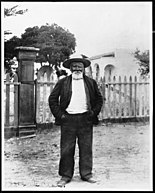
José de Grácia Cruz was a Acjachemen man indigenous to the area that is now Orange County.[9]
Archeological evidence shows the area to have been inhabited beginning about 9,500 years ago.[10] At the time of European contact, the northern area of what is now Orange County was primarily inhabited by the Tongva, a part of Tovaangar, while the southern area of the county, below Aliso Creek, was primarily inhabited by the Acjachemen.[11][12] Both groups lived in villages throughout the area. Large villages were sometimes multiethnic and multilingual, such as Genga, located in what is now Newport Beach. The village was shared by the Tongva and Acjachemen.[13] The village of Puhú was located in what is now Black Star Canyon and was shared by multiple groups, including the Tongva, Acjachemen, Serrano and Payómkawichum.[14]
The mother village of the Acjachemen was Putiidhem and is now located in San Juan Capistrano underneath Junipero Serra Catholic High School.[15][16] For the Tongva, north Orange County was at the southern extent of their village sites.[17] In coastal villages like Lupukngna, at least 3,000 years old located in what is now Huntington Beach, villagers likely used te'aats or plank boats to navigate the coastline, with fish and shellfish being more central to the diet.[18][19] In inland villages such as Hutuknga, rabbit and mule deer were more central, in addition to acorns from oak trees and seeds from grasses and sage bushes common everywhere.[20]
The differences are kind of nuanced but it's very important that whoever wants to get into the franchise business or even do the licensing business knows the difference. Check this video to find out https://www.youtube.com/watch?v=DCag5fqV9FY
Annual LLC franchise taxes are due 4 months and 15 days after the formation with CA Secretary of State, and 4 month and 15 days after the start of the taxable year.
In this video I'll show you how to pay the $250 SOS Certification Penalty with the California Franchise Tax Board online, even if you don't have an FTB account. https://www.youtube.com/watch?v=kZWsWSPNtNc
You can avoid paying the LLC annual franchise tax if you're deployed military and you meet all the other requirements.
Use in commerce means using your trademark in selling or transporting your goods out of state or in providing services to customers who live outside your state. For example, you might grow wheat in Kansas and sell it to buyers in Massachusetts or Mexico. Or you might provide website design services from your home in Oregon to customers in Georgia and Guam. To register your trademark, you’ll need to provide evidence that you’re using it in commerce. This means you’ll need to submit a specimen showing how you use your trademark. You’ll also need to provide the date you first used your trademark in commerce and the date you first used it anywhere. more info here: https://www.uspto.gov/trademarks/basics/application-filing-basis
If your trademark application was rejected because the mark was "merely descriptive" there are some other options that you should think about: 1. Going to the Supplemental Register 2. Making a 2(f) Claim 3. Apply for the logo with words, and disclaiming the descriptive parts In this video I talk about each of them a little bit more and things that you should consider when exploring these options. https://www.youtube.com/watch?v=xzgq5c2grls
In this video, I'll go over what's inside the envelope when you a new trademark registration, including: -the important dates you need to make sure you mark on your calendar -watching out for scams https://www.youtube.com/watch?v=XjzenrZBc14
In this video I’ll be sharing how to do a free LLC name search through the California Secretary of State website. https://businesssearch.sos.ca.gov/ youtu.be/7zRGAIr665M