Comprehending Contaminated Materials Disposal Options in Greater Los Angeles
Hazardous Waste Disposal Los Angeles County .Residing In Greater Los Angeles, where the way of living is fast-paced and the environment varies, it's easy to ignore the vital issue of contaminated materials disposal. I've discovered myself significantly knowledgeable about this topic, especially with the expanding ecological issues and regulations bordering waste monitoring. As somebody who deeply cares about both the local neighborhood and the environment, I believe recognizing hazardous waste disposal alternatives is not simply essential yet important for every person.
What is Hazardous Waste?
To begin, allow’s clarify what we indicate by hazardous waste. Contaminated materials consists of materials that are dangerous to human health or the atmosphere. These materials can be discovered in several locations –-- from home cleaning products and batteries to commercial chemicals and clinical waste. The key characteristic of hazardous waste is that it postures a danger otherwise properly handled.
Why It Issues
Dealing with contaminated materials responsibly is essential. Incorrect disposal can bring about contamination of soil and water, posturing dangers to wild animals and human health and wellness. For instance, thrown out batteries can leak dangerous chemicals right into the ground, while incorrectly disposed of paints and solvents can pollute water resources. Recognizing exactly how to take care of and throw away these products correctly helps protect the atmosphere and our area.
Neighborhood Rules and Responsibilities
In Greater Los Angeles, laws surrounding hazardous waste are stringent. The The Golden State Department of Toxic Materials Control (DTSC) oversees hazardous waste monitoring, making certain that waste is dealt with in conformity with state regulations. Local regulations may also enter play, including layers of oversight. It’s necessary to recognize these laws since inappropriate disposal can result in considerable fines and lawful issues.
Contaminated Materials Disposal Options
-
Family Hazardous Waste (HHW) Collection Occasions
Among one of the most convenient ways to dispose of hazardous waste is with home hazardous waste collection events. The City of Los Angeles, together with various other neighborhood municipalities, frequently hosts these occasions where locals can leave things such as paints, solvents, and batteries. These events are commonly cost-free and supply a safe method to throw away dangerous materials.
I remember attending among these events a few years ago. It was well-organised and surprisingly efficient. The volunteers and personnel were experienced and helpful, making the procedure simple. I was alleviated to know that my old paints and cleaning materials were being dealt with correctly.
-
Irreversible Drop-Off Websites
For those that can’t make it to arranged collection occasions, irreversible drop-off sites are a feasible choice. Los Angeles has a number of facilities where homeowners can drop off hazardous waste at their convenience. For example, the Los Angeles Area Hygiene Districts run long-term facilities that approve various sorts of harmful products.
I’ve made use of among these facilities a couple of times. It’s comforting to have a regular and trusted option for disposing of contaminated materials, especially for items that build up with time, like old batteries and electronic devices.
-
Specialised Waste Monitoring Solutions
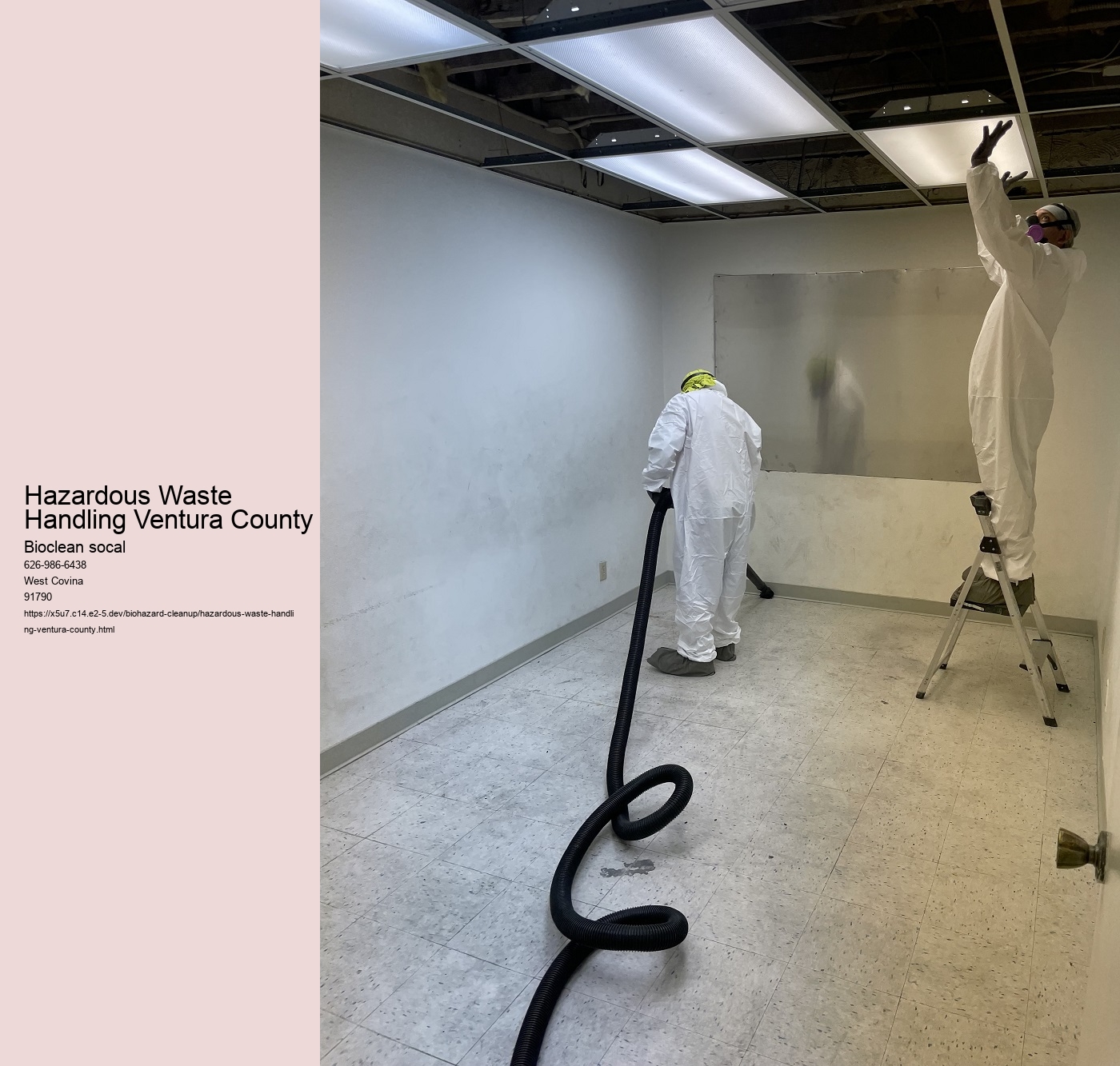
For companies or individuals generating huge quantities of contaminated materials, specialist waste administration services are readily available. These business offer tailored options for handling, moving, and disposing of harmful materials in conformity with regulative criteria. Providers can range from on-site waste monitoring to transport and last disposal.
In my job, I’ve had the opportunity to collaborate with such services for larger-scale jobs. They are specialists in browsing the facility policies and guaranteeing that waste is handled effectively and safely.
-
Recycling Programs
Some hazardous materials can be recycled, which is a more eco-friendly option than disposal. As an example, fluorescent bulbs and certain electronic waste can be taken to reusing centres that manage dangerous elements. Correct recycling aids recover beneficial materials and lowers the effect on garbage dumps.
I once took my old fluorescent bulbs to a reusing centre. It was a straightforward procedure, and recognizing that these products were being reused rather than winding up in a land fill made me feel like I was contributing positively to the atmosphere.
-
Drug Take-Back Programs
Throwing away unused or expired drugs is one more crucial element of hazardous waste management. Los Angeles offers pharmaceutical take-back programs where residents can drop off these products at designated areas, consisting of some drug stores and police stations. This helps protect against drugs from infecting water supplies and reduces the threat of abuse.
I’ve utilized this solution a couple of times to deal with old drugs. It’s comforting to know that there are safe and protected means to remove these possibly dangerous compounds.
-
Neighborhood Education And Learning and Resources
Education and learning plays a substantial function in hazardous waste disposal. Various neighborhood organisations and the City of Los Angeles supply resources and information on how to manage and dispose of dangerous materials properly. Community workshops, on the internet resources, and informative brochures help residents remain notified.
I’ve went to a few workshops on contaminated materials administration. They were extremely insightful and provided functional ideas on dealing with waste safely. These resources have actually been very useful in helping me make more educated decisions.
Actions to Take
To manage contaminated materials sensibly, right here are some actions you can comply with:
-
Identify Contaminated Materials: Establish if the things you need to dispose of are taken into consideration hazardous. Check tags and item info for any cautions or instructions.
-
Shop Effectively: Shop hazardous waste in a safe, secure area up until you can deal with it correctly. Guarantee containers are well-labelled and in great condition to prevent leakages or spills.
-
Follow Disposal Guidelines: Make use of the ideal disposal approaches laid out by neighborhood laws. This may involve attending a collection event, visiting a drop-off website, or speaking to a specialised waste administration service.
-
Remain Informed: Keep up-to-date with regional laws and available services. Consistently check for any kind of modifications or updates to hazardous waste disposal standards.
-
Inform Others: Share information concerning hazardous waste disposal with household, buddies, and coworkers. The even more people recognize appropriate disposal approaches, the much more efficient our area’s waste management initiatives will be.
The Effect of Responsible Disposal
When we handle contaminated materials effectively, we contribute to a healthier setting and a safer neighborhood. It’s a cumulative effort that begins with private activities. By complying with correct disposal methods, we help stop air pollution, shield wildlife, and ensure that future generations inherit a cleaner, more secure world.
Reviewing my experiences, I become aware exactly how essential it is to stay educated and aggressive about contaminated materials monitoring. It’s not almost following policies; it’s regarding taking duty for our influence on the setting and the community.
To conclude, understanding and using the hazardous waste disposal alternatives available in Greater Los Angeles is an important part of environmental stewardship. Whether it’s via neighborhood collection occasions, reusing programs, or specialized solutions, each choice plays a role in taking care of dangerous products effectively. By taking these actions, we can all add to a cleaner, more secure, and a lot more sustainable Los Angeles.